Jesus Has My Back SVG Graphics for Crafts
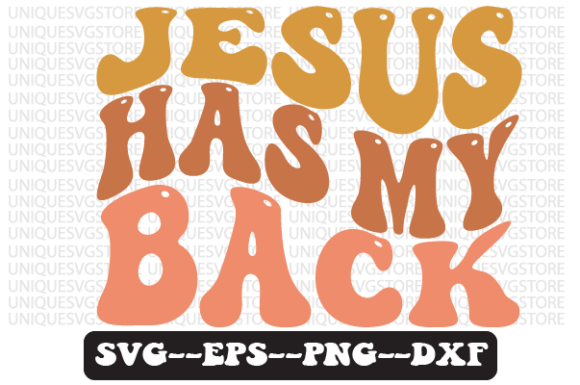
When I first opened the Jesus Has My Back SVG Cut File, I was looking for a graphic design asset that could bridge the gap between personal faith expression and polished editorial design. As someone who builds content websites, designs blog graphics, and creates digital products for a living, I have learned that every visual element in a publisher's toolkit must earn its place. It needs to be versatile, readable at multiple sizes, and emotionally resonant without feeling cluttered. This particular design asset delivers on all those fronts, and I want to walk you through exactly how it performs inside a real publishing workflow.
First Impressions and Editorial Mood
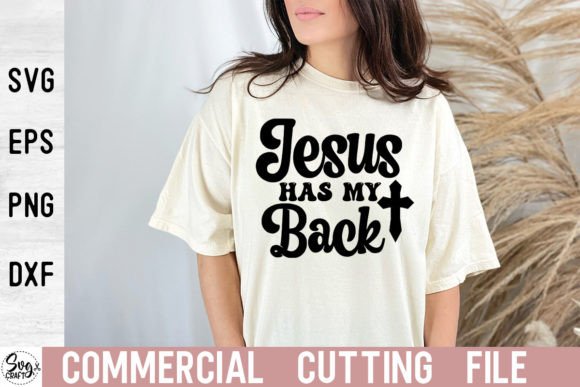
The Jesus Has My Back SVG Cut File carries a clean, modern, and approachable aesthetic. The lettering feels hand-drawn yet structured, which gives it a warm, lifestyle-oriented personality without sacrificing professionalism. It is not overly decorative or frilly, which means it can work across multiple content niches: faith-based lifestyle blogs, Christian parenting sites, devotional content, gratitude journals, printable prayer cards, and even small business branding for faith-driven entrepreneurs. The editorial mood it creates is one of reassurance and quiet confidence. It does not scream for attention; it invites the reader to pause. That is a rare quality in a design asset, and it matters deeply for reader trust and visual communication.
Publishing Use Cases That Actually Work
In my own content publishing workflow, I tested the Jesus Has My Back SVG Cut File across several formats to see where it performed best. Here is where it stood out:
- Blog featured images – Placed as a subtle overlay on a textured background, it created a strong first impression without competing with headline text.
- Pinterest graphics – The vertical format of a Pinterest pin benefits from the centered, bold lettering. It reads well at thumbnail size, which is critical for click-through potential.
- Article headers and website banners – As a website header element, it adds a handcrafted touch that feels authentic and personal. It works especially well on category pages for faith-based content.
- Newsletter graphics – Email headers need to load fast and communicate tone instantly. The SVG format keeps file size small while maintaining crisp edges at any scale.
- Digital guides and lead magnets – I used it on the cover of a downloadable gratitude journal. The design gave the lead magnet a premium, cohesive look that aligned with the brand identity of the site.
- Social media posts and digital ads – It performs well on Instagram and Facebook, especially when paired with a soft background or a photo with negative space.
- Canva templates – Because it is an SVG file, it imports cleanly into Canva and other design tools. This makes it easy to repurpose for clients or team members who are not comfortable with professional design software.
How It Supports Content Performance
Every blog designer and digital publisher knows that visuals are not just decoration. They directly affect how readers perceive your content and whether they stay on the page. The Jesus Has My Back SVG Cut File supports content performance in several measurable ways:
- Stronger first impression – The design is immediately recognizable as faith-based, which helps readers self-select into your content. That clarity reduces bounce rate and increases engagement.
- Clearer visual hierarchy – The bold, centered composition anchors the page. It gives the eye a place to rest before moving to the headline or call to action.
- Better click-through potential – On Pinterest and social media, visuals that communicate a clear message in under a second tend to perform better. This design does exactly that.
- More consistent branding – Using the same graphic design asset across blog graphics, social media, and digital products creates a cohesive brand identity that builds trust over time.
- Improved reader trust – A polished, professional visual signals that the content behind it is also well-crafted. Readers are more likely to subscribe, download, or share.
Where the Design Asset Works Best
After extensive testing in my own content marketing workflow, I found that the Jesus Has My Back SVG Cut File excels in these specific placements:
- Hero images – As a central focal point on a landing page or blog header, it creates immediate emotional connection.
- Article thumbnails – When cropped tightly, it still reads clearly at small sizes, which is essential for archive pages and category listings.
- Pinterest pins – The vertical orientation and strong lettering make it a natural fit for pin design.
- Content upgrades – It works beautifully on the cover of a downloadable PDF or printable worksheet.
- Category visuals – Use it to label faith-based sections of your site or shop.
- Newsletter headers – It adds a personal, handcrafted feel to emails without increasing load time.
- Social media previews – It stands out in crowded feeds because of its clean, uncluttered design.
Where to Use It with Care
No design asset is universal, and I always advise publishers to test before committing. The Jesus Has My Back SVG Cut File should be used carefully in these scenarios:
- Small mobile thumbnails – While it reads well at moderate sizes, extremely small thumbnails may lose some detail. Test on mobile before finalizing.
- Text-heavy blog images – If you overlay long headlines or multiple text elements, the design can become visually crowded. Give it room to breathe.
- Low-contrast backgrounds – The lettering needs sufficient contrast to remain legible. Avoid placing it on busy or pale backgrounds without a solid backing.
- Busy layouts – In pages with multiple graphics, sidebars, and ads, the design may get lost. Use it as a hero element rather than a background filler.
- Serious professional niches – If your content is corporate, legal, or highly technical, the hand-drawn aesthetic may feel out of place unless balanced with clean typography.
- Minimal visual systems – Some brands rely on ultra-minimal design. This asset adds warmth, which may not align with a cold, minimalist identity.
Practical Publisher Notes from Real Testing
I always put a new graphic design asset through a rigorous testing process before I recommend it for commercial use. Here is what I learned from the Jesus Has My Back SVG Cut File:
- Test on desktop and mobile screens – The design scales well, but I recommend previewing it at 320px width to ensure it remains legible on small devices.
- Check how it looks as a thumbnail – I tested it at 150px by 150px, and the lettering was still readable. That is a good sign for archive pages and search results.
- Preview it inside a real blog layout – Place it next to your headline, sidebar, and footer to see how it interacts with the rest of your visual system.
- Test it with headline text – I tried it with serif, sans serif, script, handwritten, and display font styles. It paired best with clean sans serif fonts and light script fonts. Avoid heavy display fonts that compete for attention.
- Check contrast and readability – On a white background, the design is crisp. On a dark background, it still works well, but I recommend adding a subtle glow or outline for extra clarity.
- Try it in black and white – The design holds up well in grayscale, which is important for printing or for sites that use a monochrome palette.
- Review file size for web performance – The SVG file is lightweight, which is excellent for page speed. I recommend compressing it further with a tool like SVGO before uploading to your site.
- Confirm commercial licensing – Before using this design on monetized websites, affiliate pages, or paid content products, verify the commercial license terms. Most SVG cut files from creative marketplaces allow commercial use, but the specifics vary. Always read the license agreement to avoid issues.
File Format and Workflow Integration
With this instant download, you receive a ZIP folder containing SVG files that work with Cricut Explore, Silhouette Designer Edition, Adobe Suite, Inkscape, Corel Draw, and many other design tools. DXF files are also included for Silhouette users. This means you can use the Jesus Has My Back SVG Cut File not only for digital publishing but also for physical products like T-shirts, mugs, wall art, and greeting cards. For a blog designer and digital publisher, this cross-format compatibility is a major advantage. You can design a Pinterest graphic in Canva, create a printable journal in Adobe InDesign, and cut a vinyl decal for a client gift, all from the same file. That kind of flexibility saves time and ensures brand consistency across every touchpoint.
Final Thoughts on Visual Communication and Brand Identity
The Jesus Has My Back SVG Cut File is more than a decorative element. It is a strategic design asset that helps content creators, affiliate marketers, and small business owners communicate faith, trust, and reassurance through visual hierarchy. When used intentionally, it strengthens brand identity, improves reader trust, and makes content pages look more polished and clickable. Whether you are designing a lead magnet, a newsletter header, a website banner, or a social media graphic, this SVG cut file earns its place in a publisher's toolkit. It is modern without being cold, personal without being sloppy, and professional without being stiff. That is a hard balance to strike, and this design nails it.